Frequently Asked Questions about hives Separators and Spacers What are spacers or spacers in a hive?
They are pieces that maintain the proper distance between the frames within the hive. They prevent frames from touching, improving ventilation, and allowing bees to work in an orderly manner without deforming the honeycombs.
What types of spacers are there?
The most common are:
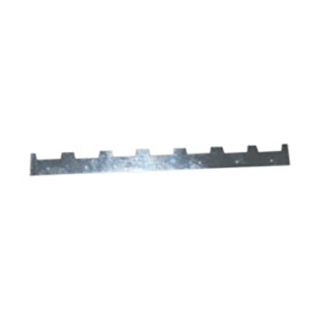
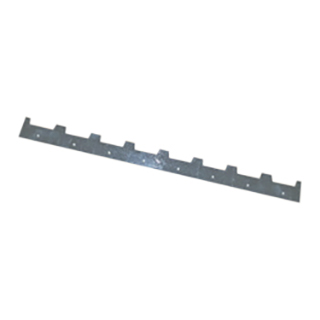
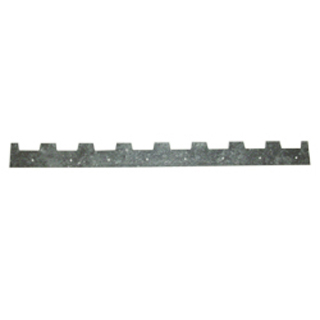
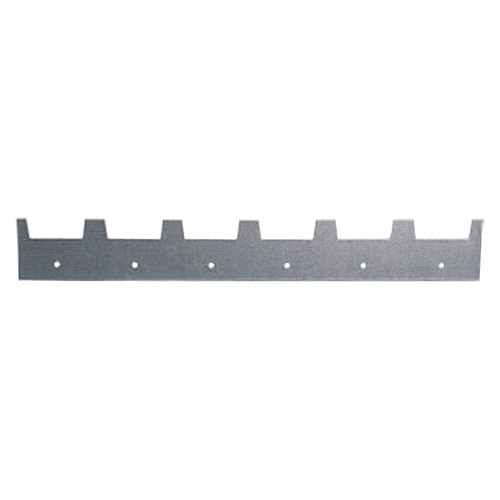
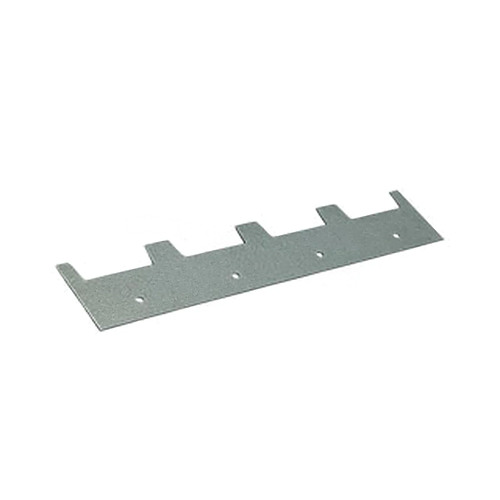
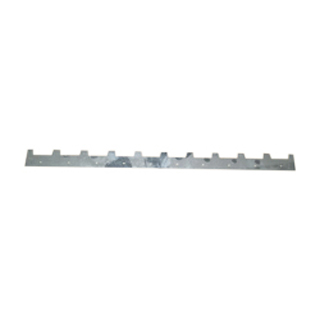
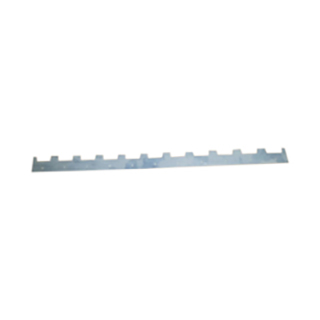
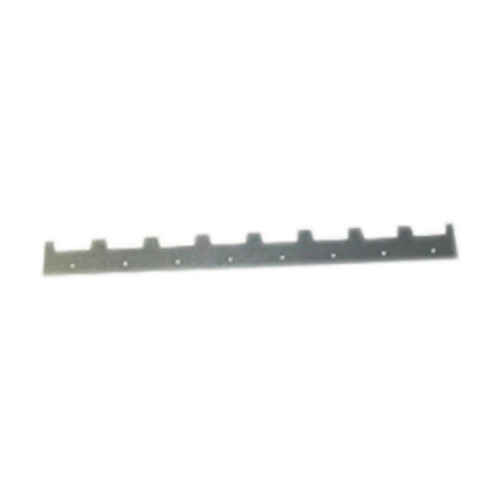
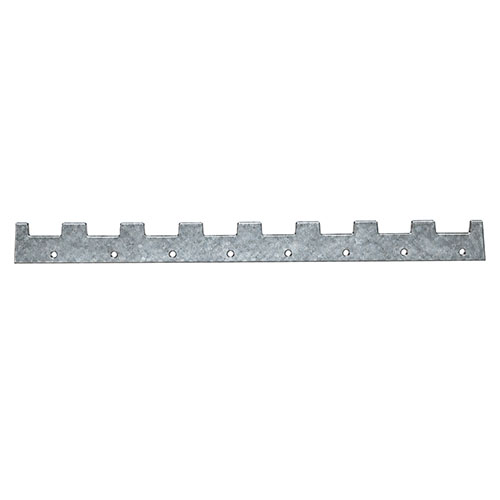
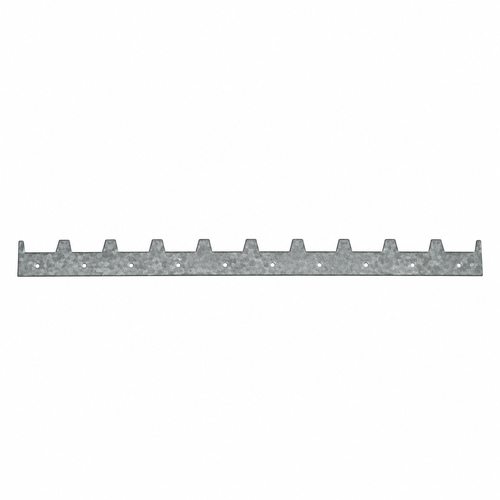
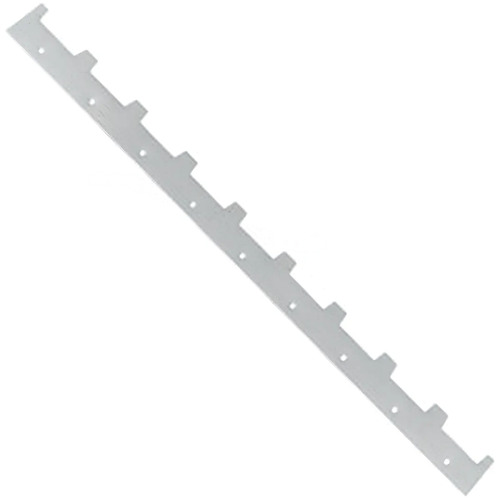
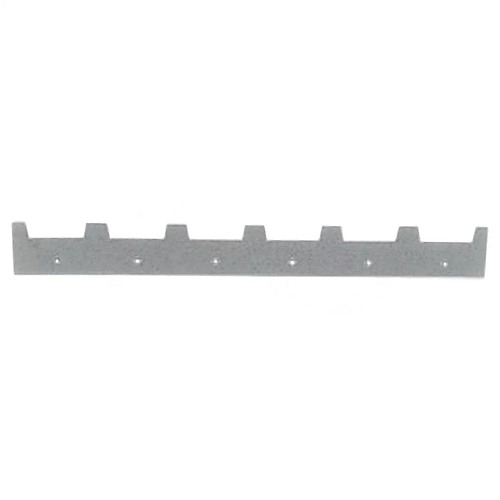
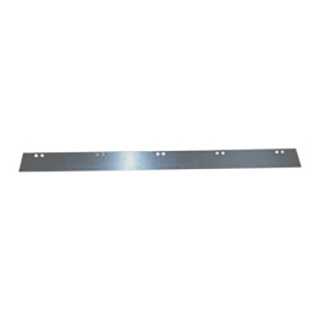
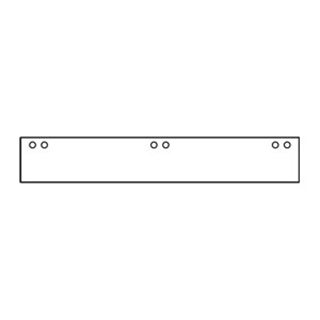
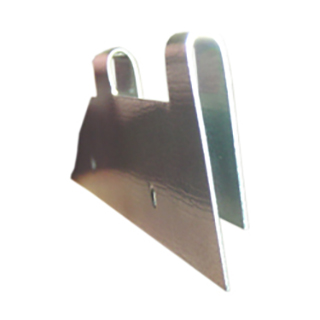
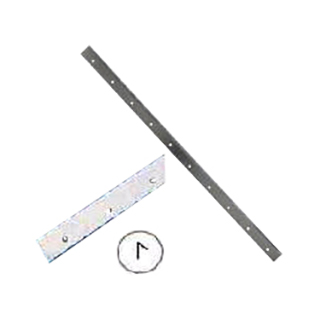
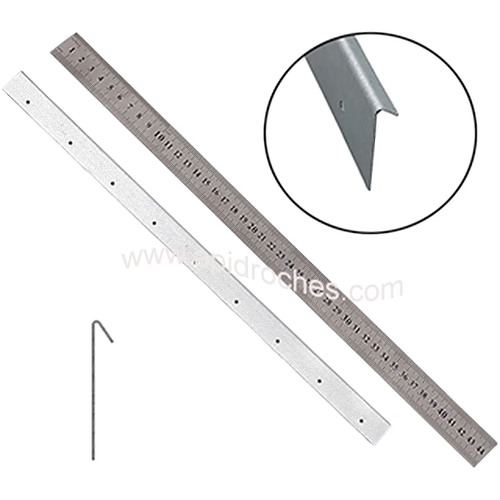
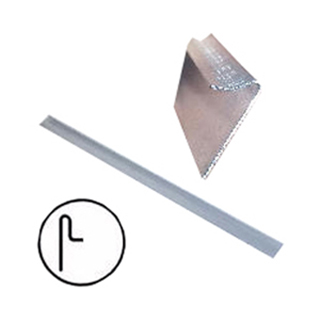
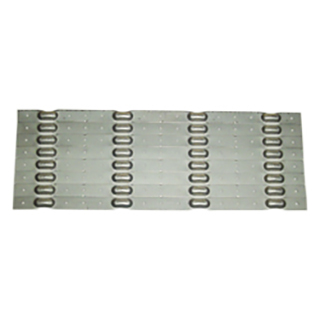
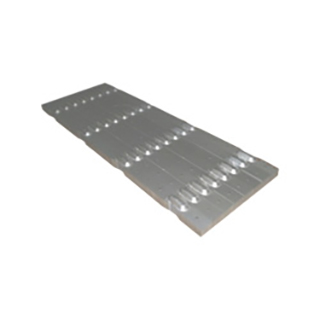
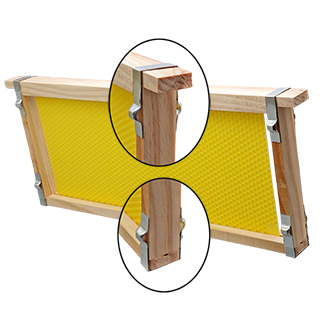
- Tinplate or Galvanized Sheet: they are fixed to the heads of the frames.
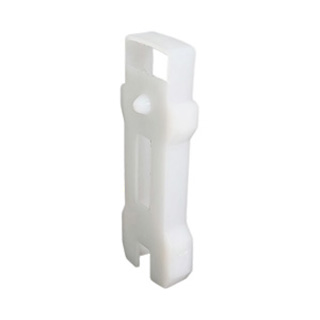
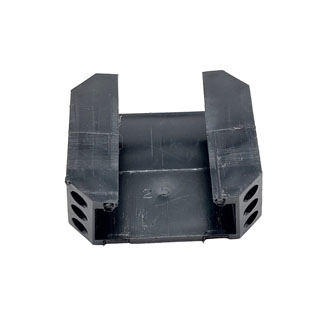
- Plastic type Hoffman: They fit into the frames and maintain the separation without the need for nails.
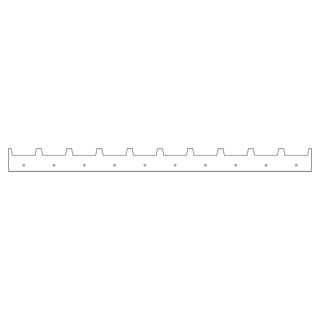
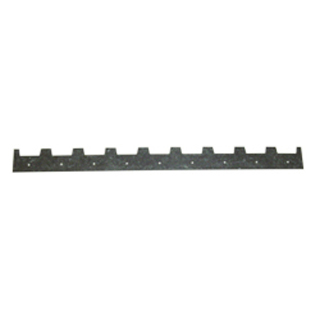
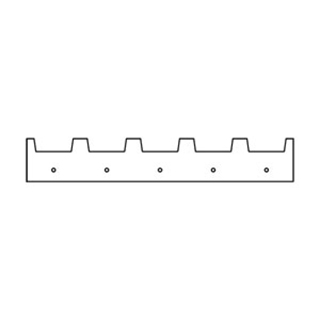
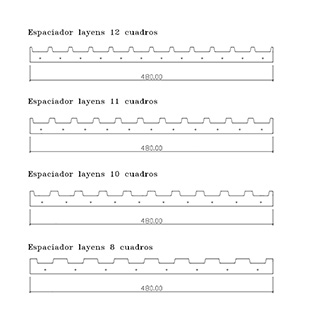
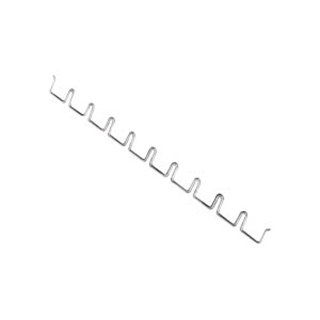
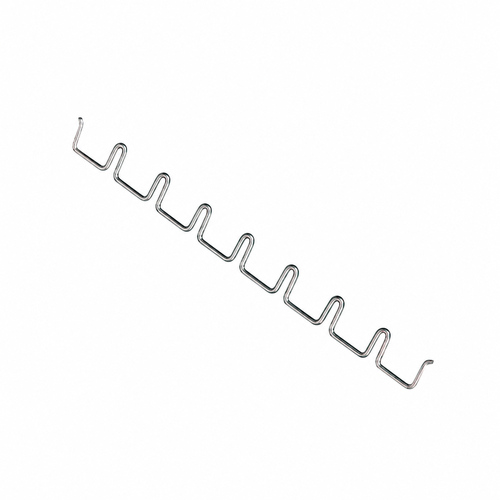
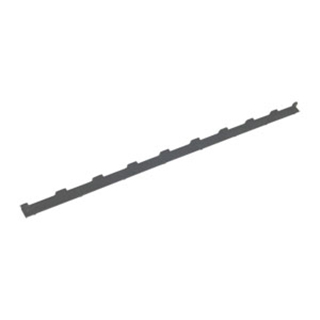
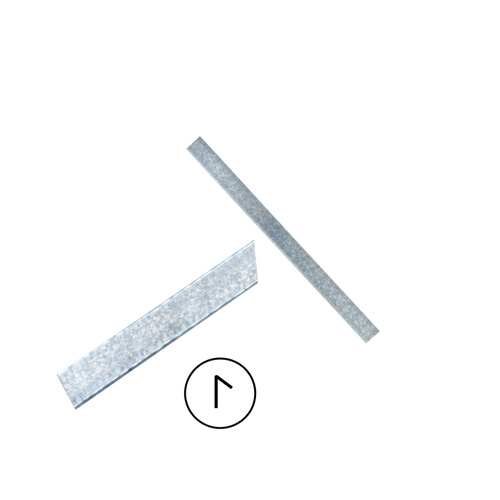
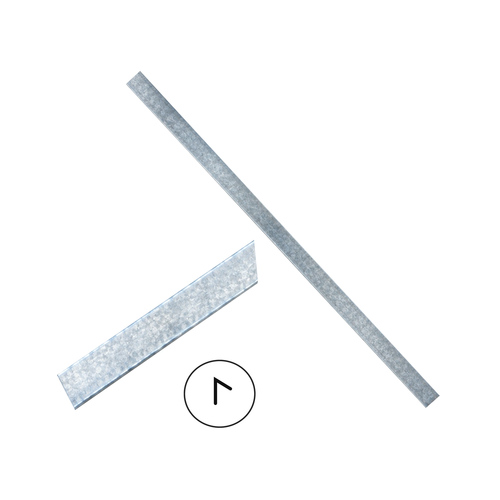
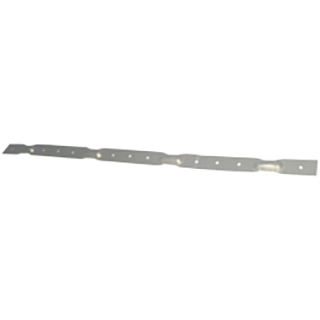
- Separation strips: metallic or plastic, designed for a specific number of frames (8, 9 or 10).
Why is it important to use spacers?
Because they guarantee:
- The correct separation between frames, avoiding deformed trays.
- A proper air flow and bee movement.
- Ease of extraction and handling of frames.
How to choose the right spacer?
You must take into account:
- The type of hive (Layens, Langstroth, Dadant, etc.).
- The number of frames and its thickness (e.g. 25 mm).
- The material: metallic for durability, or plastic if you are looking for lightness and easy assembly.
How are the spacers or spacers installed?
- Select the appropriate model to the number of frames.
- Place them on the heads or sides of the frames according to their design.
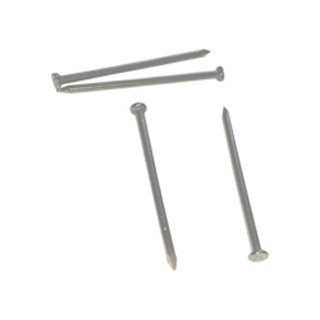
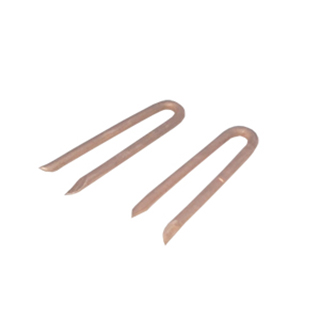
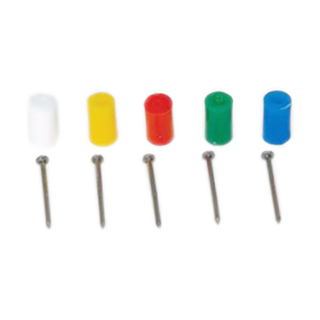
- Fx them with small nails or snap them in if they are plastic.
- Check that the frames are parallel and without excessive slack.
When should you review or change them?
Before each season check that the spacers are not oxidized, loose or deformed. Change them if the frames move too much or if they have residues of propolis or wax that prevent their function.
What maintenance do you require?
- Periodic cleaning to remove propolis or adhered wax.
- A clamping and alignment review when cleaning the hive.
- If they are metallic, apply a light protective layer or replace them when rust appears.