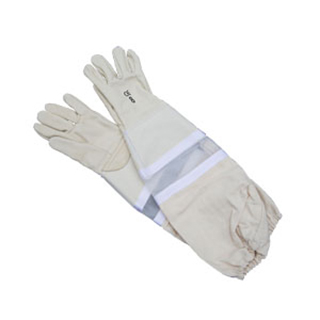
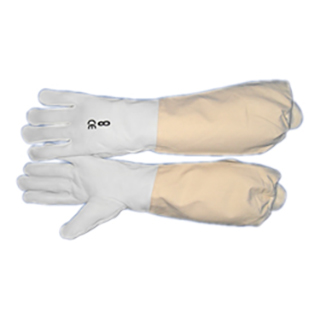
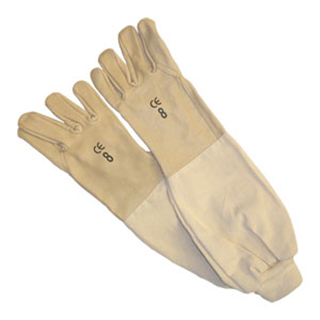
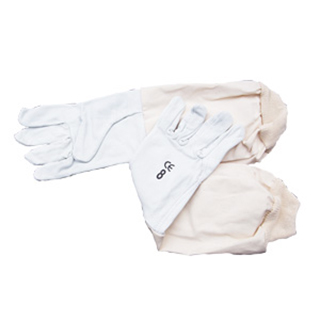
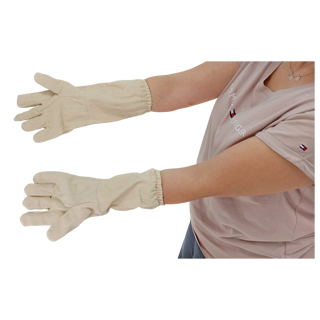
Frequently asked questions about beekeeping gloves: What are beekeeping gloves?
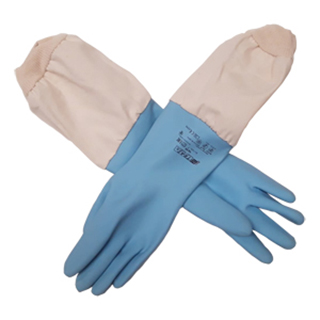
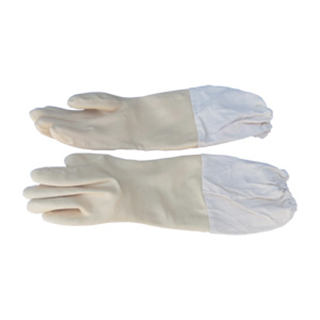
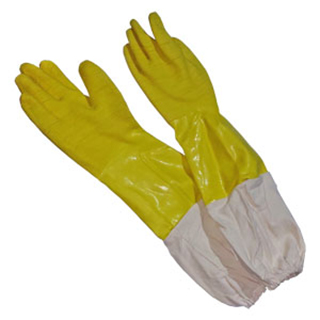
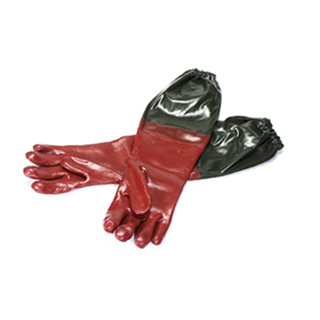
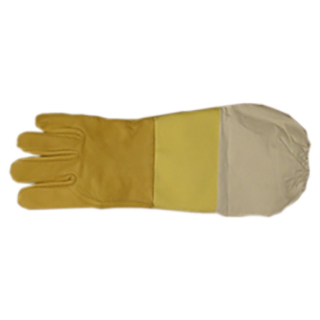
The beekeeping gloves protects the hands and wrists from the stings during the manipulation of the hives. In addition, they provide security when working with aggressive bees or on prolonged review and harvest tasks.
What materials are beekeeping gloves made of?
The most common materials are:
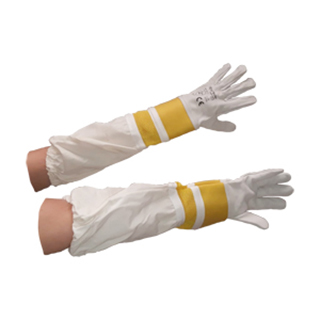
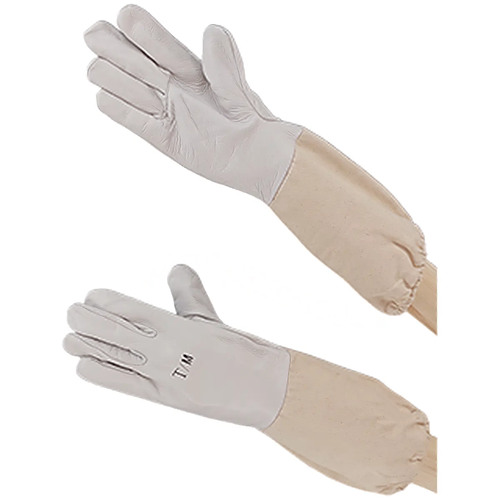
- Leather or skin: durable and resistant, ideal for beginners.
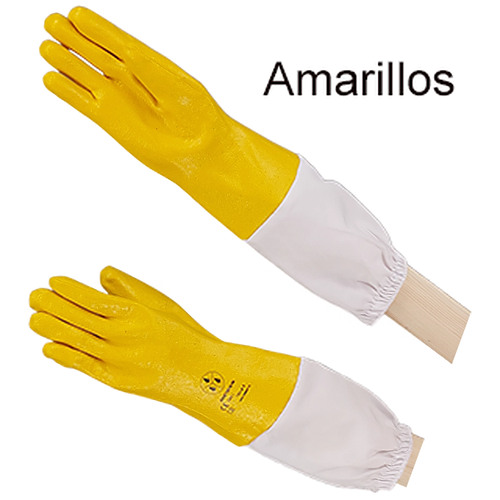
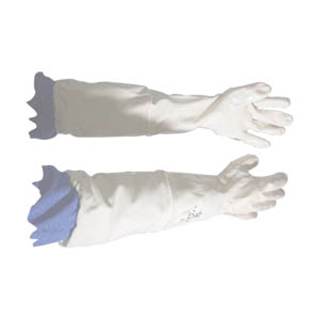
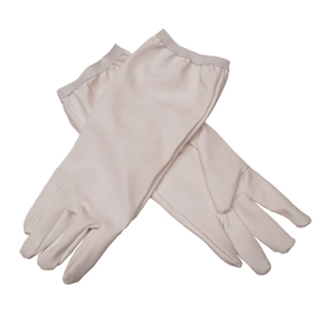
- Vinyl or latex: light and sensitive to touch, ideal for precise work.
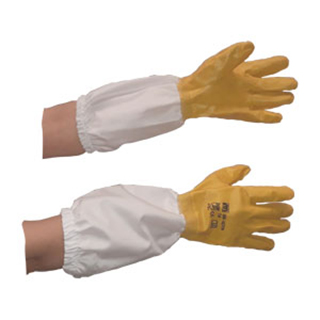
- Nitrile or neoprene: resistant to chemicals, used in cleaning and treatments.
What are the advantages of leather gloves compared to latex gloves?
The of leather they offer greater protection and durability, while Latex or vinyl gloves They allow more precision and comfort when handling frames, although they wear out earlier.
How to choose the right size of gloves?
The size of the beekeeping gloves is chosen according to the Hand width at knuckle height (not including the thumb). Measure that distance in centimetres and that will be your size. For example:
- 10 cm? size 10
- 11 cm? size 11
- 12 cm? size 12
The glove must remain Fit but not tight, allowing flexibility and avoiding gaps where bees can enter.
What is the ventilated or canvas sleeve?
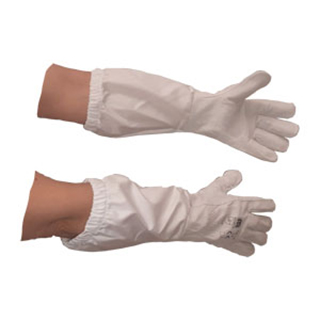
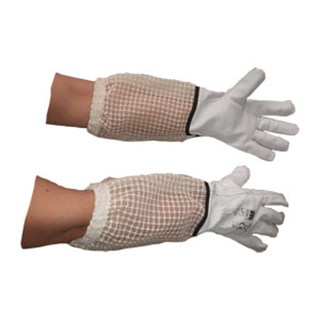
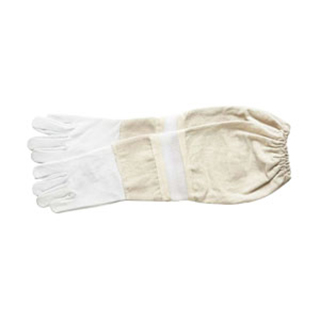
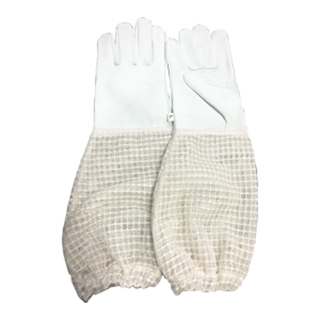
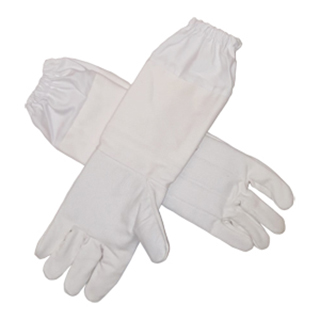
It is the extension of the glove towards the forearm, made of canvas, cotton or mesh, which improves breathability and prevents bees from getting into the sleeves. The models with Elastic cuffs or rubber closure offer a safer seal.
How to clean beekeeping gloves?
- Leather gloves: clean them with a damp cloth and let them dry in the shade.
- Synthetic gloves: wash them with warm water and neutral soap.
- Avoid sources of heat or direct sun that can deform the material.
When should you replace them?
When they present cracks, stiffness or holes. Gloves in poor condition lose efficiency and can allow stings or hinder tool handling.
Is it advisable to work without gloves?
Some experienced beekeepers prefer to work without gloves to have better dexterity. However, it is recommended to always use them in aggressive colonies or during the honey harvest, to avoid accidents and unnecessary stress in bees.
What maintenance prolongs its lifespan?
Store gloves in a dry, airy place, away from direct sunlight. Check seams and elastics frequently, and apply cream or leather oil if you need to keep them flexible and in good condition.


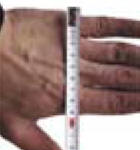 CURIOSITY: To know what is your glove size it is enough to measure your hand with a metre or ruler at the height of the knuckles and, if your hand measures 10 centimetres your glove size will be size 10, if you measure 8 centimetres because it will be size 8. It is advisable not to choose the tight size.