Frequently Asked Questions about Wax moth control: What is wax moth and why is it a problem?
The wax moth (Galleria mellonella and Achroia Galleria) is a pest that feeds on honeycombs and wax residues. Its larvae excavate galleries and destroy frames, affecting both the stored material and the weak hives.
How can I detect an infestation?
The most common signs are cocoons, galleries in the wax, remains of silk and an unpleasant smell. If when you check frames you see fine threads or dust, there are probably active larvae.
What conditions favour the appearance of the moth?
The moth proliferates with heat, moisture and low ventilation. The frames stored without protection or hives weak are their ideal environment. A cool, dry environment significantly reduces the risk.
How can I prevent wax moth?
- Store the frames in places Ventilated, cold and dry.
- Avoid leaving wax residues or honey that attract adult moths.
- Renew old frames and keep the hives strong.
What natural treatments are there?
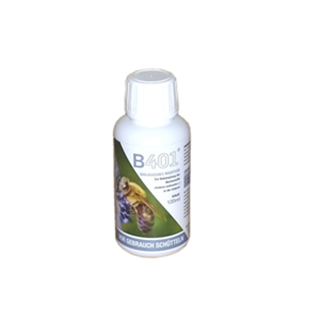
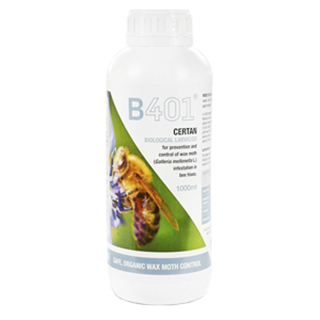
The Freezing (–18 °C for 24 h) removes eggs and larvae. The acetic acid In closed chambers it is also effective. Another ecological option is the use of Bacillus thuringiensis (B401), a safe biological biocide.
Can I reuse frames damaged by moth?
If the damage is mild, the affected part may be cut and the rest reused. In extensive damage, it is advisable to melt the wax and disinfect the material to avoid reinfestations.
What is the best storage method of frames?
- Stacking the frames in towers with good ventilation.
- Use cold rooms or apply acetic acid treatment between layers.
- Cover with fine mesh to prevent access to adult moths.
How often should I check the stored material?
It is recommended to check every 3–4 weeks during the warm months, especially if temperatures exceed 25 °C, since that is when the moth has more activity.