Frequently asked questions about Bee brushes: What is a bee brush?
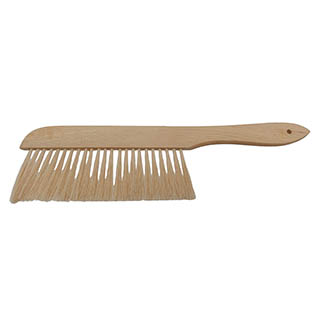
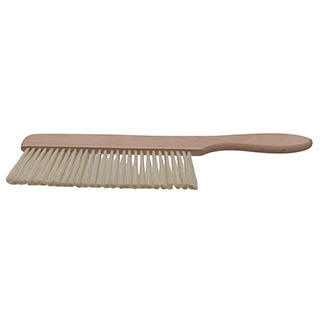
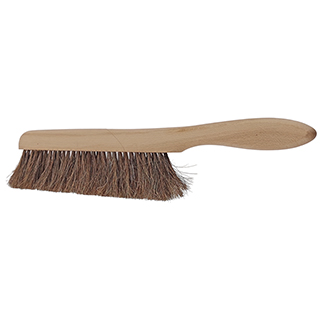
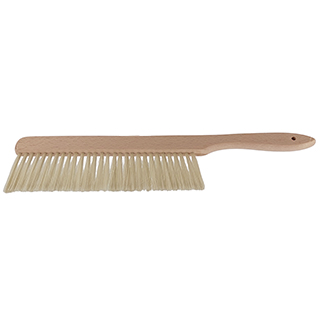
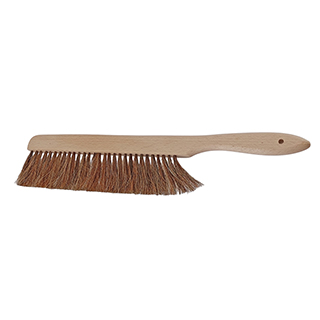
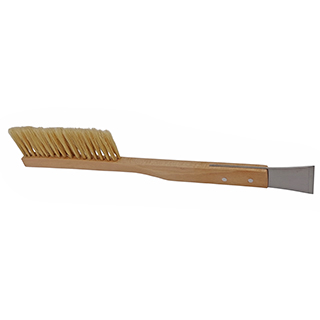
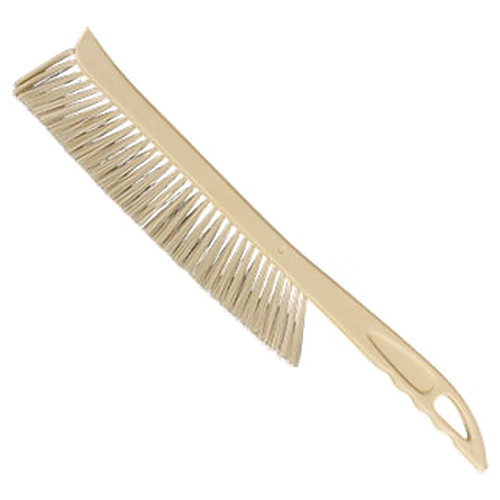
The bee brush is a beekeeping tool designed to gently remove the bees from the frames during harvest or revisions. Its thin and soft bristles allow the bees to be displaced without damaging them or altering the colony too much.
When is the bee brush?
It is mainly used to extract the frames with honey or check breeding. It is useful for clearing zones before moving frames to the uncapping machine or centrifuge.
What materials are brushes made of?
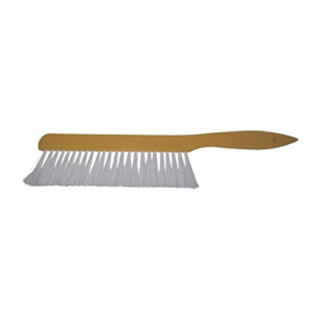
There are brushes with natural bristles (horse or pig) and with synthetic bristles. Natural hair hair is softer, ideal for delicate revisions, while synthetics are more resistant and easier to clean.
How to properly use the bee brush?
- Perform smooth and long movements, never sudden blows.
- Always design in the direction of the cells to avoid breaking the wax.
- If possible, use some smoke Before to calm the bees.
What is the difference between brush models?
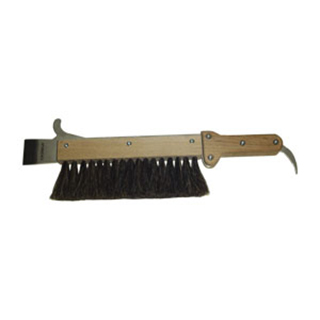
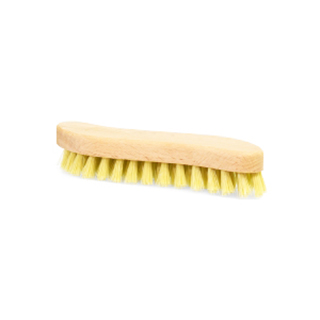
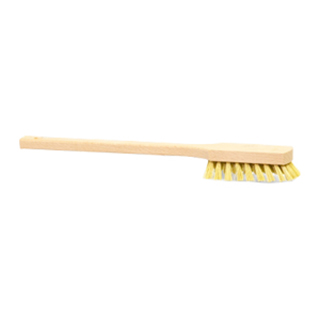
The brushes vary in size, swing type, hardness and handle design. Some models include double-sided or curved heads that improve range and ergonomics during work.
How do you clean and maintain the brush?
Wash it with warm water and neutral soap after each day, removing remains of honey or propolis. Let it dry well before storing it to avoid deformations or bad odours.
How often should it be replaced?
It depends on use, but usually every 1-2 seasons. If you notice the twisted, stiff or hardened bristles, it is time to replace it so as not to damage the bees.
Can I use the brush with aggressive bees?
In very defensive colonies it is recommended to use the brush less and more the smoker. In these cases, a gentle blow of air or smoke is less stressful than brushing.
Are there alternatives to the brush of disabling?
Yes. Some beekeepers use Air blowers o Electric roller sweepers to remove the bees. However, the traditional brush remains the most economical, accurate and bee-friendly option.