Frequently Asked Questions about Instrumental Queen Insemination & Incubator Use What is the instrumental insemination of queen bees?
It is an advanced technique that allows to fertilize a queen with semen of previously selected drones. Ensures full control of genetics, ideal for breeding programmes that seek to improve docility, resistance to disease or productivity.
What basic equipment is needed to perform instrumental insemination?
It usually includes:
- Microscope or binocular magnifying glass
- Queens Fixing System
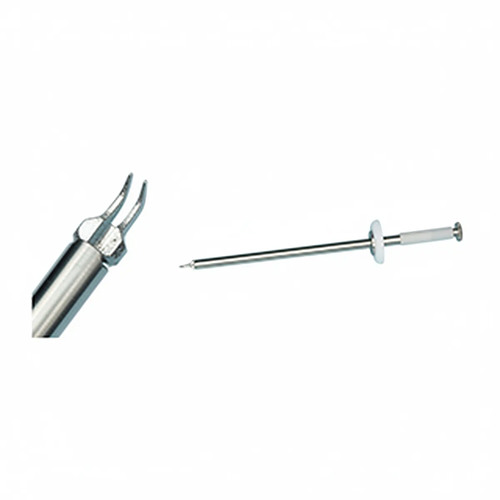
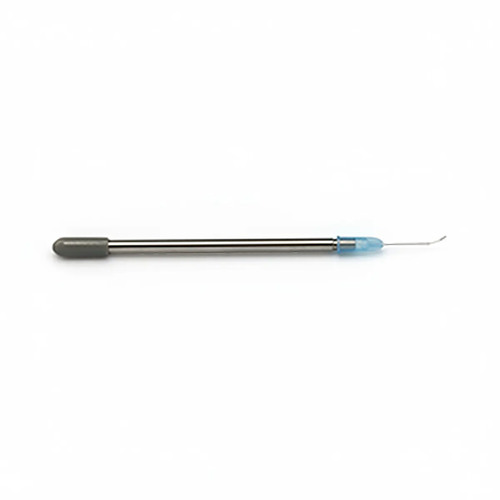
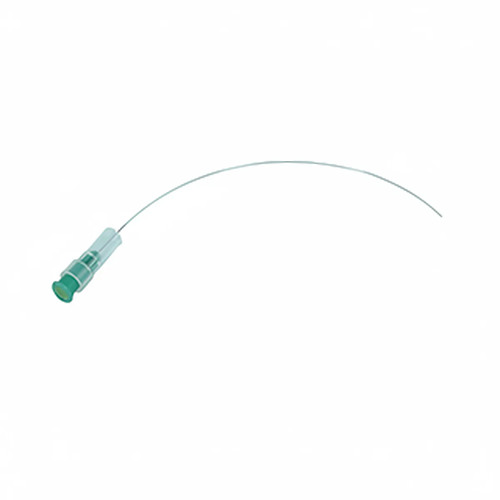
- Insemination and capillary syringe
- CO2 source for anaesthesia
- Cold and stable lighting
- Fine tools for handling drones and tissues
Why is the use of CO2 necessary?
CO2 is used to temporarily anaesthetise the queen, avoiding involuntary movements and allowing safe and precise handling. A suitable dosage is key for the queen to return to the normal rate of posture after introduction.
What requirements must the drones used meet?
They must be mature, well-fed and from hives with desired genetics. Its quality determines the vitality and characteristics of the offspring, so it is important to select healthy and with good production line.
What are incubators used for in the queen rearing?
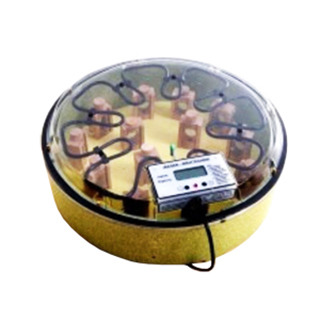
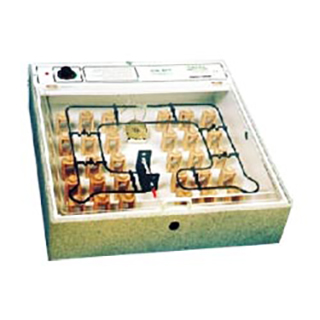
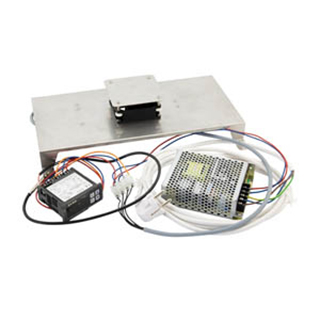
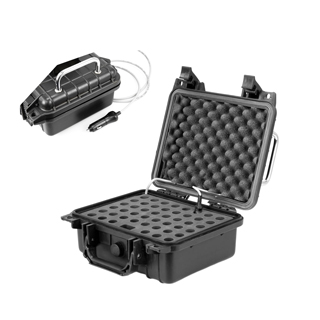
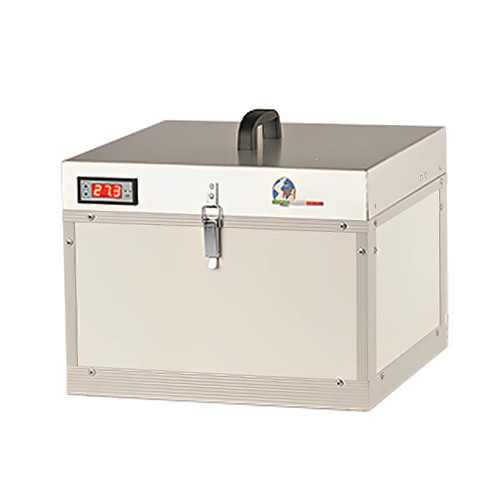
The incubators allow to keep temperature and humidity controlled, ensuring that the actual cells emerge homogeneously. They improve the birth rate and protect cells from environmental variations or excessive manipulations.
What is the right temperature inside a queen incubator?
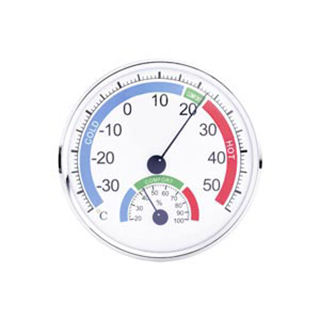
The optimum temperature is between 34 °C and 35 °C, with a relative humidity of 65–75%. Prolonged deviations can delay the emergency, affect vitality, or even cause birth failure.
What types of incubators are commonly used?
beekeepers usually use compact models with trays, digital vertical incubators and specific versions for domes or cell holders. The most advanced include forced ventilation, alarms and automatic humidity control.
How is an inseminated queen correctly introduced into the hive?
It is recommended to allow it to recover 24–48 h and then introduce it into an orphan family by cage with candy. Acceptance improves when the colony is balanced and has good population of nurses.
What are the advantages of instrumental insemination over natural in-flight fertilization?
Allows:
- Absolute control of genetics
- Avoiding Undesired Crosses
- Work with specific lines of selection
- Improve endurance, docility and productivity with precision
- Repeatability and traceability of the process
What maintenance does insemination equipment require?
It should be cleaned and sterilized after each session. Microneedles and capillaries need delicate handling, and CO2 systems need to be checked regularly. A good conditioned team avoids contamination and improves the accuracy in the procedure.