Frequently asked questions:
What is the difference between beeswax for hives and wax for candles or cosmetics?
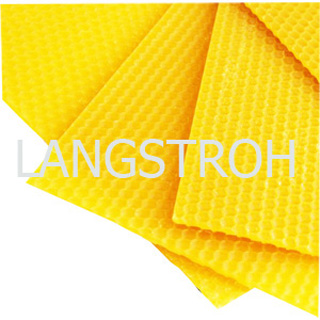
Beeswax intended for hives is mainly used to make wax foundation and requires specific standards of purity and traceability. For candles and cosmetics, properties such as colour, scent, melting point and hardness are prioritised to achieve the desired finish and consistency.
How do I choose the right melting point?
A slightly harder wax is usually preferred for moulded candles so that fine details are retained. For container candles, a more flexible blend improves adhesion. In cosmetics, combine it with oils or butters to achieve the required texture.
Does beeswax expire or deteriorate?
Beeswax is very stable. It will retain its properties for years when stored in a cool, dry place away from direct sunlight. Discard it if you detect a rancid smell or visible contamination.
Can I mix beeswax with other waxes or additives?
Yes. It is commonly combined with candelilla or carnauba wax, or with compatible additives, to adjust its hardness, shine and shrinkage. Always carry out a small-scale test first.
What do I need to melt and roll wax safely?
- A wax melter with temperature control, using either a water bath or a regulated heating element.
- Clean containers and tools reserved exclusively for wax.
- Avoid overheating: use the lowest effective working temperature.
Is beeswax suitable for cosmetics?
Yes. It is a traditional structuring and emollient ingredient. When making products for third parties, always check the quality, technical data sheet and potential allergens. The wax should be certified organic.
How can I prevent cracks or tunnelling in candles?
- Control the pouring temperature and allow the wax to cool gradually.
- Choose the correct wick for the candle diameter and wax blend.
- Remove it from the mould only when completely solid to preserve the details.
How often should wax foundation be replaced in a hive?
Replace old wax foundation and combs regularly to improve hive hygiene and productivity and to reduce the accumulation of residues and pathogens.