Frequently asked questions about the pollen trap of Wood: What is a pollen trap wooden?
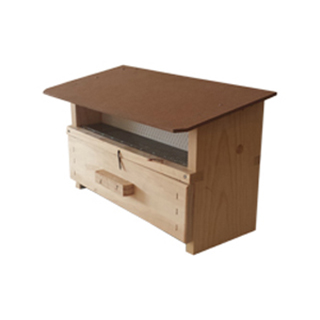
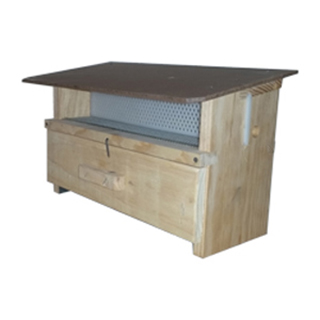
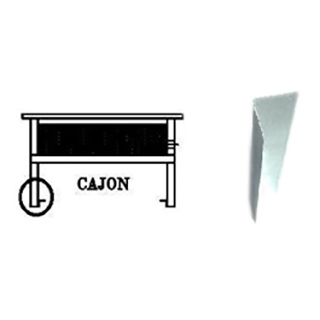
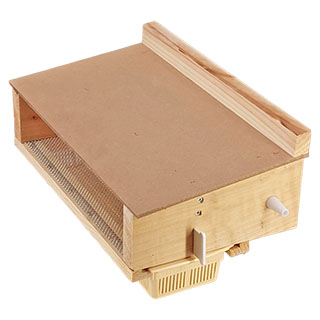
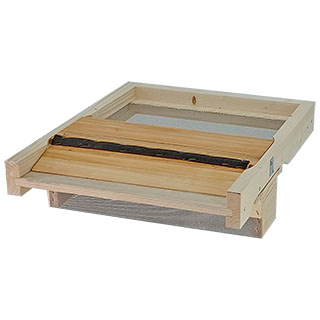
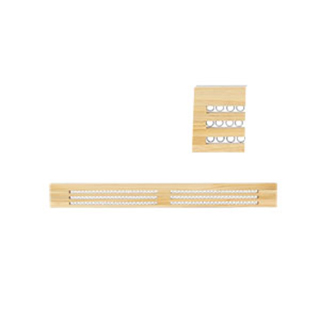
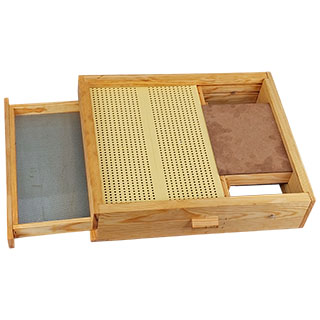
The pollen trap wood is a device that is installed in the hive entrance of the hive to collect part of the pollen that the bees bring on their legs. It is built in natural wood, with a selective grid and a collection drawer that allows to obtain pollen clean and dry.
How does a pollen trap work?
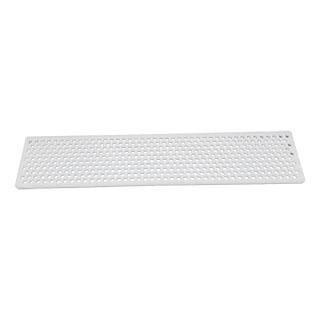
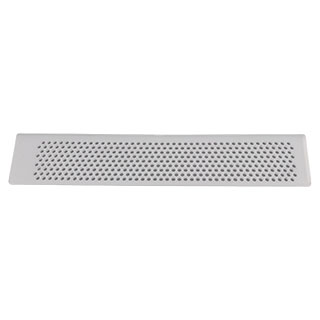
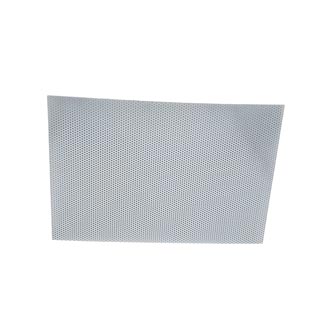
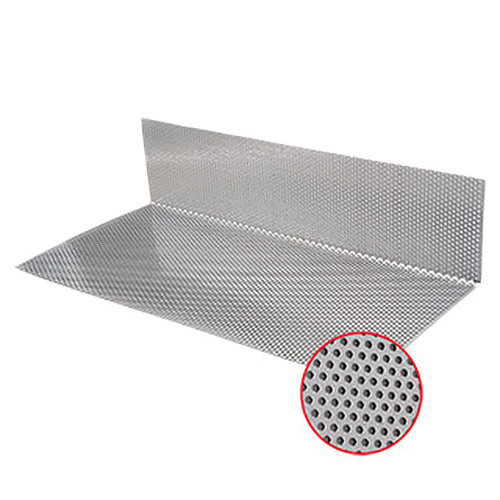
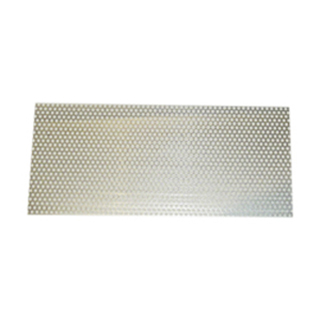
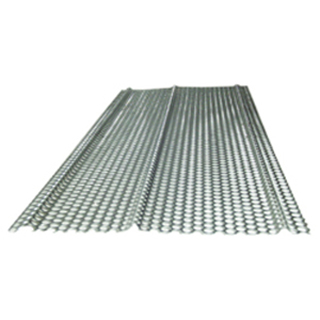
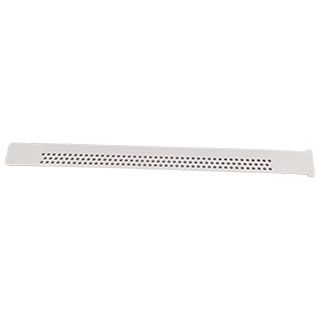
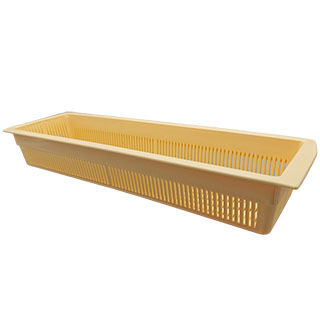
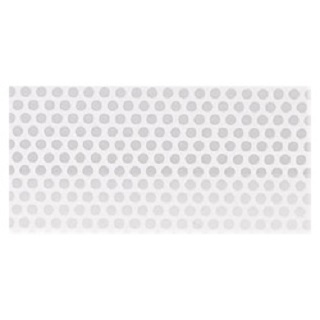
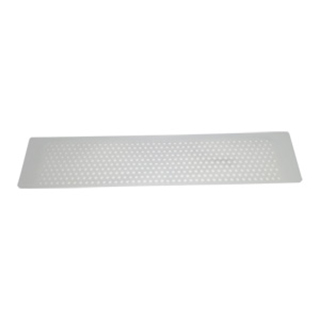
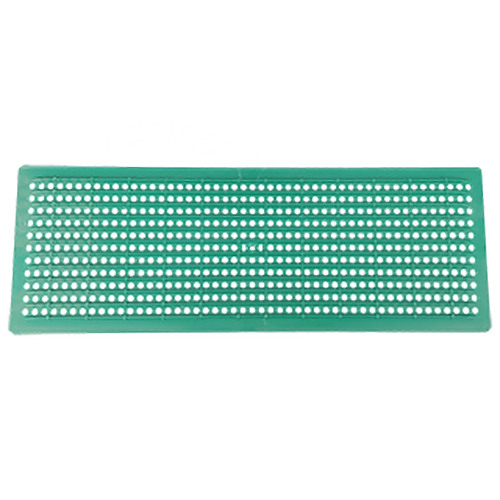
Bees go through one perforated grid with holes of about 5 mm. When you pass through it, part of the pollen of your corbicles comes off and falls into a lower tray or drawer protected from moisture and light. Bees continue their work without difficulty.
What are the advantages of wood versus plastic pollen trap?
- Made with natural wood, more stable and durable material.
- Better thermal insulation and ventilation within the hive.
- More aesthetic and respectful with the environment beekeeping.
- Easy to repair or adapt with standard parts.
Where is the pollen trap?
It is installed in the input of the hive, replacing the flight board or docking on it. The collector drawer is at the bottom, protected from the sun and moisture to keep the pollen cool and dry.
When is the best time to use it?
During the Spring and Summer, when there is abundant flowering. It is advisable not to keep it activated more than 3 or 4 days in a row, to allow the bees to store enough pollen for their own consumption.
How much pollen can you collect a hive?
It depends on the strength of the colony and the flowering available, but a strong hive can produce between 50 and 150 grams daily. It is recommended to leave rest days between collections so as not to weaken the colony.
How is the pollen trap wooden clean and maintained?
After each use, remove the drawer and wipe it with a damp cloth or soft brush. The rack can be washed with warm water and neutral soap. Keep wood treated with natural oil or wax to protect it from moisture, avoiding chemical paints or varnishes.
How to keep the pollen collected?
The pollen should be dried or frozen shortly after harvest. Store in airtight containers, away from light and moisture. Fresh pollen can be kept in the freezer for months without losing properties.
Which type of pollen trap wood is better?
Depends on the hive system:
- Front: It is placed in the entrance, easy to install and check.
- Lower: integrated under the body of the hive, more stable and better ventilation.
Both models serve the same function, being chosen according to the comfort of beekeeper.
What precautions should I have when using it?
- Failure to keep it continuously so as not to weaken the hive.
- Avoiding its use in times of shortage of pollen.
- Check that bees can enter and leave without difficulty.
- Empty the collection drawer frequently to keep the pollen dry and clean.