Frequently asked questions about valves and taps for beekeeping What types of taps are available for honey?
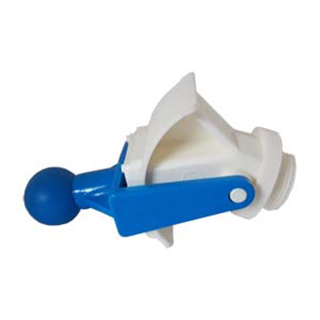
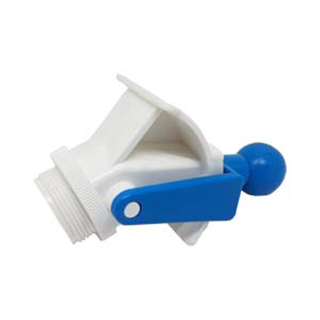
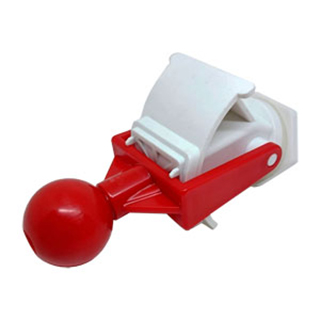
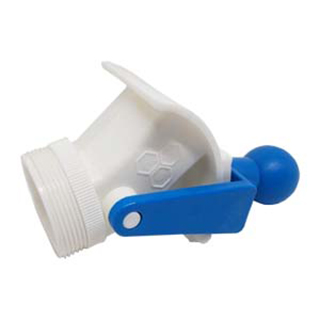
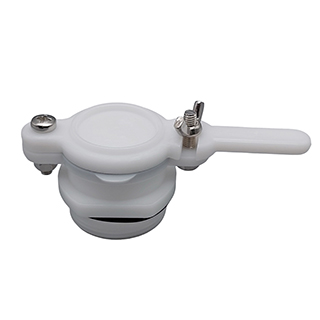
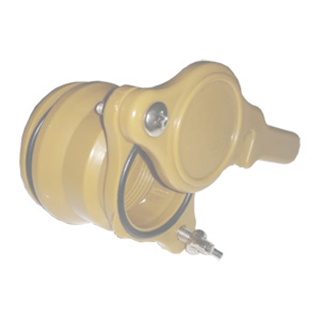
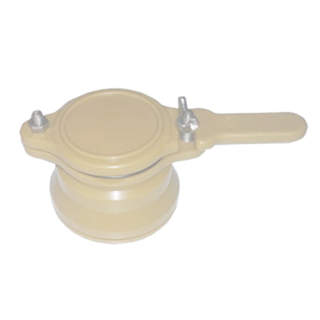
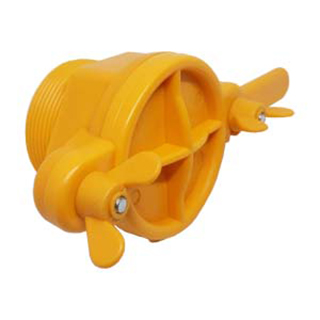
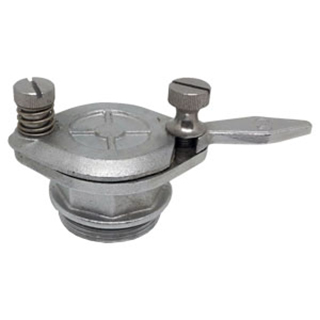
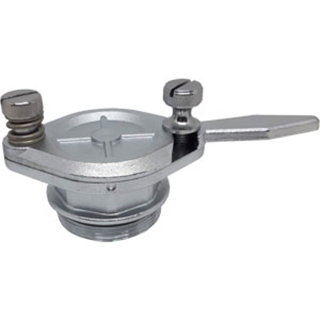
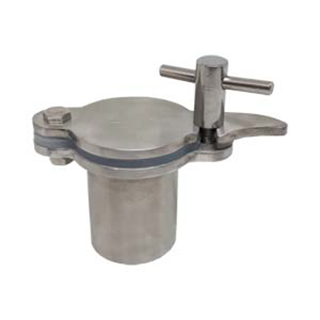
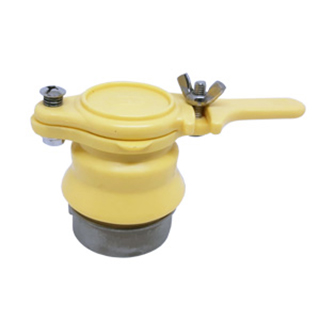
The most common are: ball (simple and easy to clean), butterfly (closes very watertight for large flows) and guillotine (clean yarn cutting, ideal for packaging).
What materials are they made of?
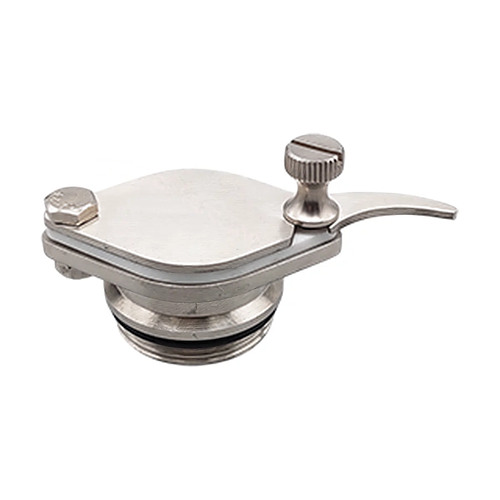
Mainly food plastic (light and economic) and Stainless steel (robust, sanitary and corrosion resistant).
Most common diameters and threads
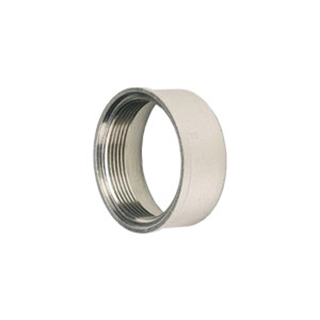
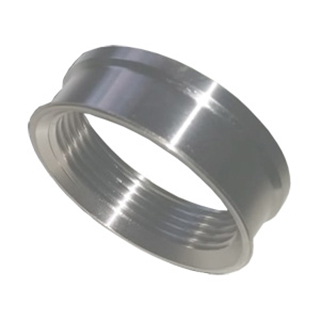
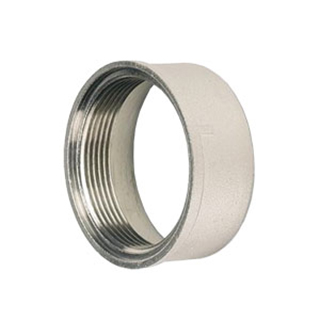
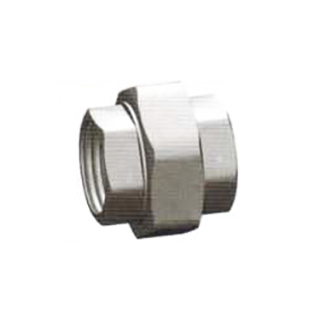
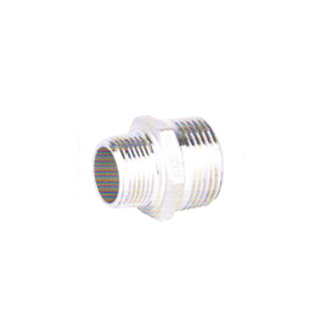
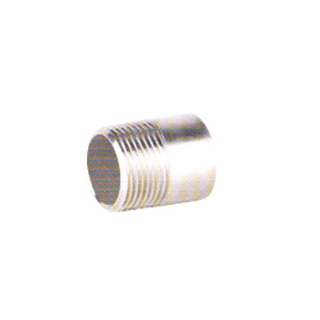
In beekeeping are very common Ø40 mm (21/2") and Ø50 mm (2"), with threaded variants (male/female) or for welding in tanks and settling tanks.
How do they install?
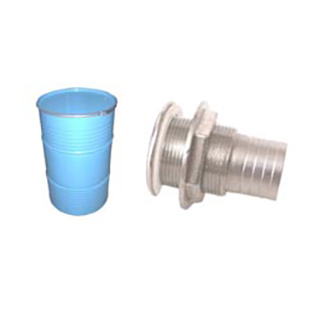
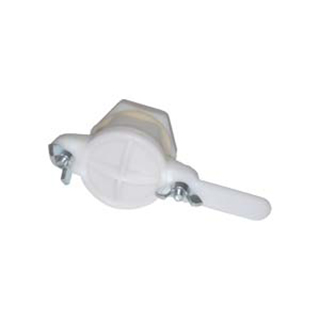
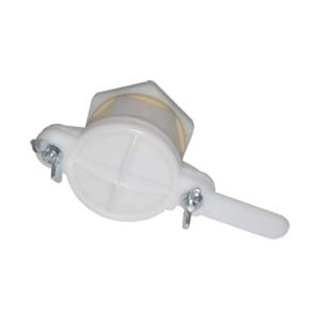
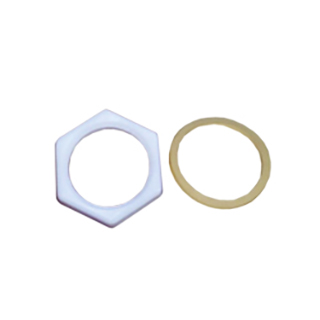
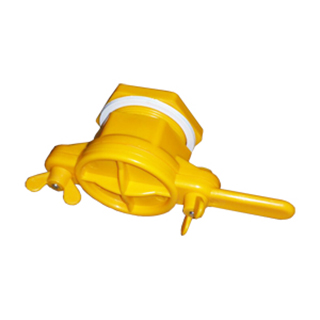
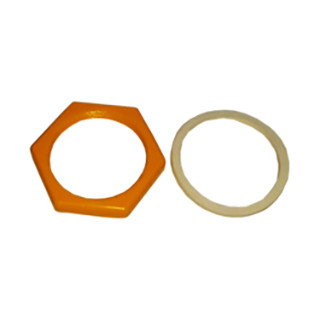
Make a hole of the indicated diameter, place the gasket, insert the body of the tap and squeeze until a seat is achieved I've a sto. Check that it opens/closes soft and without leakage.
Can a hose be connected?
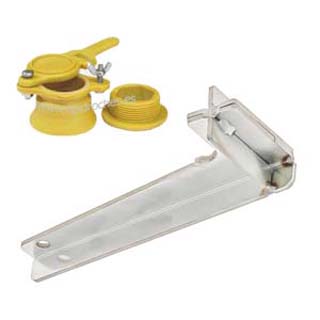
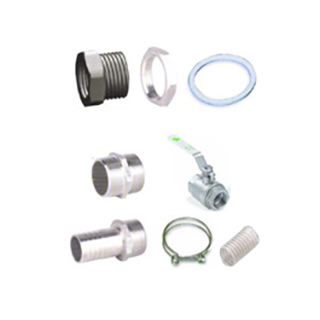
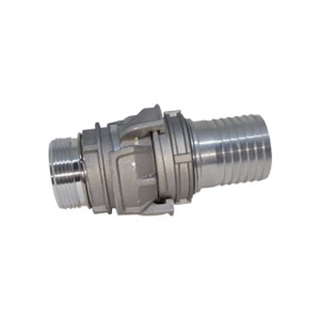
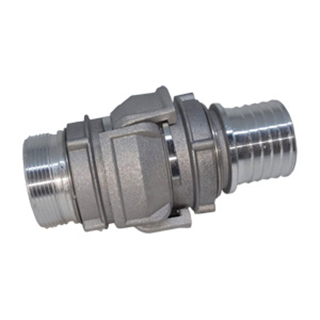
Yes. There are taps and Adapters specific for coupling hose and facilitating transfer to drums or tanks.
What is an “anti-gout” faucet?
It is a closure and joint design that minimizes residual drops by cutting the flow, keeping the work area cleaner.
When is one of guillotine in front of a ball or butterfly one?
The guillotine stays in packaging for the net cutting of the thread. Ball is multi-purpose for deposits/transfer. Butterfly it offers great tightness and control in high flow rates.
How to prevent leaks?
Use the correct joint, align the faucet, squeeze without deforming, and periodically check together and screws. Replace worn components.
Cleaning and maintenance
It disassembles after season, washes with hot water and food detergent, rinses and dries well. Avoid abrasives. In stainless steel, check screws and, if applicable, lubricate shafts with Food grade.
What size to choose for my settling tank?
As a guide: Ø40 mm for medium deposits and artisan packaging; Ø50 mm for settling tanks large or faster lines.
Do they serve other liquids?
With suitable adapters, many stainless steel taps are used for water, oil or other food liquids. Check compatibility and avoid cross-contamination.
Signs I Should Change the Faucet
Persistent drips despite adjusting, sled joints, excessive play on the shaft or wear that prevents a clean cut of the flow.