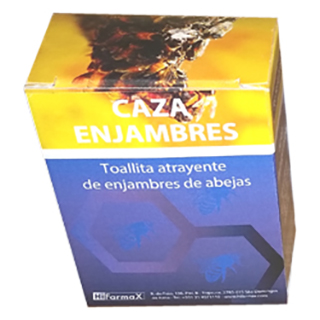
Frequently asked questions about the swarm hunting: What is a swarm of bees?
A swarm is a group of bees leaving their hive to form a new colony. It is composed of the queen and thousands of young workers who seek a suitable place to settle.
When does swing usually occur?
It usually occurs in Spring and Early Summer, when the colony is strong and there is abundant nectar and pollen. Factors such as overalls or lack of space also favour it.
What does it take to capture a swarm?
- One swarm catcher or ventilated capture box.
- Sprayer with water or atomizer to calm the bees.
- Gloves, bee veil and protective clothing.
- Tresses, brush or shaker for easy collection.
Where to place the traps or boxes hunters?
Located in quiet, shaded areas and at a height of more than 20 centimetres. Bees prefer cavities of between 30 and 40 litres, with a small inlet facing south or southeast.
What products or attractants are recommended?
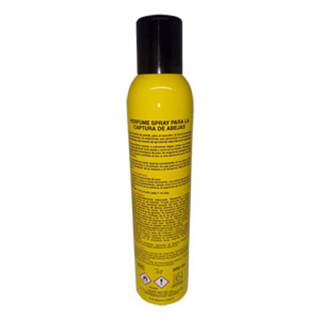
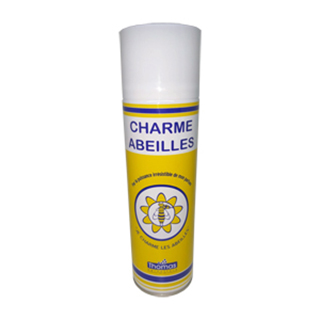
The most effective attractants contain pheromones of Nasanov or natural wax extracts and propolis. They can also be used prepared as Bee Boost o Apilure to increase the chance of capture.
What to do once the swarm enters the trap?
You must move to the hive definitive at dusk, when all the bees are inside. It is recommended to lightly spray with water to keep calm and move the box gently.
How to prevent the swarm from leaving the new hive?
Enter frames with fully drawn beeswax comb or open breeding to fix the queen. It is also useful to reduce the hive entrance in the first few days and maintain a quiet environment without external discomfort.
What safety precautions should I have?
- Work calmly and avoid sudden movements.
- Do not take catches near people or animals.
- Always wear protective suit and smoker if needed.
What to do if the swarm is in a dangerous or urban place?
In that case, the ideal is contact a local beekeeper or civil protection. You should not try to capture it without the right experience or equipment.
What are the benefits of recovering natural swarms?
In addition to taking advantage of free bees, genetics adapted to the local environment are incorporated. It is a sustainable practice that helps keep populations of bees strong and resilient.